Atlas › How words feel

Case study 119 of 198

Is 'nincompoop' funny? Jev vs 800 raters

Rating single English words for how funny they are, does Jev find the same words funny as people do?

result591 questions

Jev finds the same single words funny as people, moderately (rank correlation 0.61). Its funniest words: buffoon, ninny, cuckoo, tutu and gaggle; people's: tinkle, buffoon, gaggle, cuckoo and chug. It's far more amused than people by "landslide", "bloodhound" and "mite", and far less by "source", "friend" and "rain".

01231234landslidebloodhoundsmugglersourcefriendrainclassmatepeople's mean (1-5)Jev's level (0-4)

How to read this: Each dot is a word. Across: people's average funniness rating (1 to 5); up: Jev's (0 to 4). The labeled words are the biggest disagreements in each direction.

591 words; 90% interval 0.56 to 0.65.

In short

  • Jev and people rank 591 single English words for funniness in broadly the same order, a rank correlation of 0.61.
  • Both put buffoon, gaggle and cuckoo in their top five; Jev calls plain words like friend and rain flatly unfunny where people give them middling scores.
  • That agreement is far better than Jev's sense of which cartoon captions are funny, so its trouble with humor lies more in jokes than in words.

What the data shows

how words feel
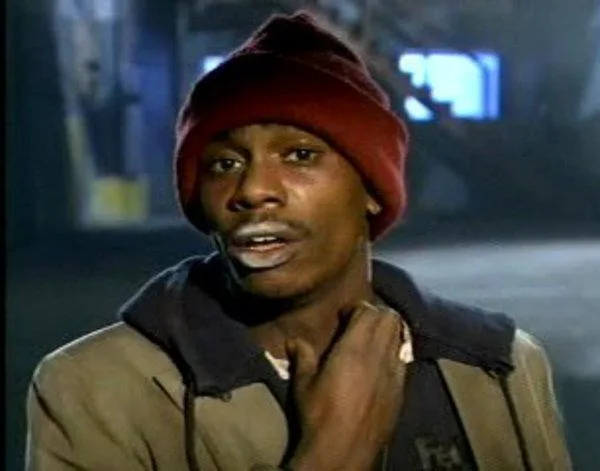
Jev hearing the word "bloodhound"
dave chappelle meme: Jev hearing the word "bloodhound"
How funny is this meme? Jev: 2/5, slightly funny13%259%337%41%50%
  • Moderate agreement: 0.61 (90% interval 0.56 to 0.65).
  • Shared favorites: "buffoon", "gaggle" and "cuckoo" are in both top fives. Jev adds "ninny" and "tutu"; people add "tinkle" and "chug".
  • Where Jev laughs and people don't: "landslide", "bloodhound", "mite", "smuggler". Jev rates them a little funny; people put them near the bottom.
  • Where people smile and Jev doesn't: "source", "friend", "rain", "classmate". People give them middling scores; Jev calls them not funny at all.

What it means, and what it doesn't

Jev recognizes the classic funny words, the silly-sounding and slightly insulting ones. Its taste is less reliable in the middle of the scale, where it's stricter than people about ordinary words and occasionally amused by odd compounds ("bloodhound", "landslide"). A correlation of 0.61 is far better than its sense of which captions are funny, which suggests Jev's humor trouble is more about jokes than about words.

It doesn't mean Jev shares people's sense of humor: 0.61 leaves plenty of disagreement, and the human side is averages from one US study, compared by rank only.

Caveats

  • Averages only. The study published each word's average rating and its spread, not every answer, so the comparison is of rankings, not how often each rating was given.
  • Different scales and wording. People rated from 1 (humorless) to 5 (humorous). Jev chose among five described levels written for this project, from "an ordinary word with nothing amusing about it" to "a word people giggle at just for how it sounds or what it means". The comparison uses rankings for that reason.
  • A slice of the list. 599 of the study's 4,997 words were asked, spread evenly from least to most funny; 8 were hidden by the content filter that keeps sensitive words off the site. Funny words are overrepresented compared with the full list.
  • Middle-of-the-road words. People gave words like "friend" and "rain" middling ratings, around 2.5 of 5, perhaps because a neutral word isn't clearly unfunny. Jev calls them flatly not funny. Part of the "less amused" list may be a different use of the bottom of the scale, not a different sense of humor.

Jev on this experiment

Would a person find it interesting to read?
Yes83%
Does it describe you?
No55%
Would you have predicted it?
No55%
How fair is the comparison?
The comparison is shaky
How much should a reader rely on it?
Moderately
Which caveat matters most?
Different scales and wording35%

Why ask this

Some words are funny on their own. "Nincompoop", "gaggle", "tinkle" make people smile before they mean anything, through their sounds, their associations, or a hint of rudeness, and psychologists have collected ratings of how funny thousands of words are.

Jev has trouble telling which joke or cartoon caption people find funnier (see "Jev can't tell which New Yorker captions are funny"). Single words strip humor down to sound and meaning. If Jev can tell a funny word, the problem with jokes lies elsewhere, in timing, context or surprise.

How this was done

The people and the data

Engelthaler and Hills (2018) asked people to rate 4,997 English words for how funny they are, on a scale from 1 (humorless) to 5 (humorous), about 35 US adults per word. The ratings are free for non-profit research. 599 words were taken, spread evenly across the range, from the least to the most funny; 591 are shown.

What Jev was asked

One question per word, with five described answers written for this project:

How funny is the word "landslide" on its own?

Not funny at all: an ordinary word with nothing amusing about it · Barely funny: most people wouldn't notice anything amusing · Somewhat funny: it might raise a small smile · Funny: many people would find it amusing to say or hear · Very funny: a word people giggle at just for how it sounds or what it means

Each was also asked with the levels reversed (averaged) and for "most people".

How it was measured

The words are ranked by Jev's answer and by people's average and the rankings compared (a rank correlation: 1 means the same order), and the analysis lists the words where the two rankings differ most.

Where these questions live

591 questions across 1 topic of the map. Each opens on the map with every question in it.

Every question

All 591 questions behind this result, the telling ones first: the examples the analysis points to, then the ones where Jev misses, biggest gap first.

Jev’s own answer
    Showing 0 of 591