Atlas › Jobs and countries

Case study 116 of 198

Which professions Jev trusts, next to Americans

Rating the honesty and ethical standards of nurses, pharmacists, bankers, car salespeople and a dozen other professions, does Jev see the same ladder of trust as Americans, and is it more or less generous?

result15 questions

Rating the honesty of 15 professions, Jev puts them in almost the same order as Americans (rank correlation 0.97) but pushes both ends further apart: it rates pharmacists (89% vs 54%), medical doctors (87% vs 58%) and funeral directors (66% vs 34%) high far more often than Americans do, and building contractors (2% vs 22%), bankers (2% vs 20%) and real estate agents (0% vs 17%) far less. On average the two come out even.

0%25%50%75%100%
Nurses
Medical doctors
Pharmacists
High school teachers
Accountants
Funeral directors
Building contractors
Bankers
Lawyers
Real estate agents
Advertising practitioners
Business executives
Stockbrokers
Car salespeople
Telemarketers

Jevpeoplewhat Jev thinks most people would say

How to read this: Each row is a profession. The marks show the share rating its honesty "high" or "very high": Americans in Gallup's December 2025 poll, Jev's probability on those two answers, and what Jev thinks most Americans would say.

15 professions; spread of the shares: Jev SD 40%, Americans 22%; 90% interval on the mean gap [-0.048, 0.122]; Jev's guess for 'most Americans' ranks them with correlation 0.92. The screen hid 1 of the 16 profession questions.

In short

  • Jev ranks 15 professions by honesty almost exactly as Americans did in Gallup's December 2025 poll (rank correlation 0.97).
  • It stretches the ladder: pharmacists rated high 89% of the time against Americans' 54%, real estate agents 0% against 17%.
  • Part of that stretch comes from comparing one model's confident answer with a crowd's average.

What the data shows

jobs and countries
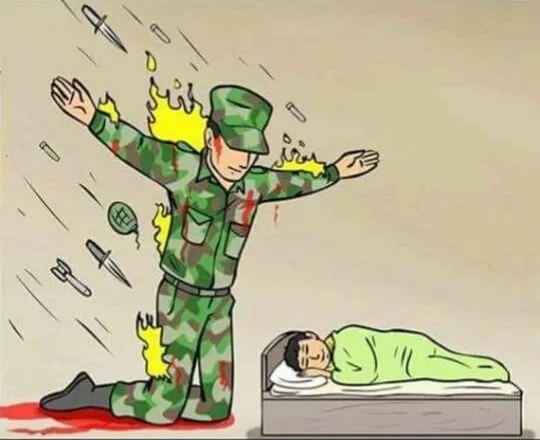
Soldier protecting sleeping child meme: Jev; nurses and pharmacists; bankersJevnurses and pharmacistsbankers
How funny is this meme? Jev: 2/5, slightly funny16%248%343%43%50%
  • The ladder is the same. Jev orders the 15 professions almost exactly like Americans (0.97).
  • But steeper. It gives the trusted professions far more credit: pharmacists 89% against 54%, medical doctors 87% against 58%, funeral directors 66% against 34%.
  • And the distrusted ones almost none: building contractors 2% against 22%, bankers 2% against 20%, real estate agents 0% against 17%, car salespeople 0% against 7%.
  • On average it's neither kinder nor harsher (+4 points, within the noise), and its guess of what "most Americans" say ranks them almost the same way (0.92).

What it means, and what it doesn't

Jev shares the public's picture of which jobs deserve trust, and exaggerates it: its health professionals are saints and its salespeople are never "high" in honesty. That exaggeration is partly what a single confident respondent looks like next to a crowd (see Caveats).

It doesn't mean Jev distrusts real estate agents as individuals; it's answering a question about "people in this field", as the poll asks.

Caveats

  • Jev answered as a single person. Gallup's 54% for pharmacists is a share of many people; Jev's 89% is one respondent's probability. A single confident answer will look more extreme than a crowd's average, so part of the "starker ladder" is that difference in kind.
  • Professions left out. Members of Congress, journalists, police officers, clergy and labor union leaders were left out to keep politics and religion off the site, and a content filter hid one more (military veterans). The ladder here is the less contested middle of Gallup's list.
  • The poll's wording, the poll's scale. Jev got Gallup's exact question and its five answers, from "very low" to "very high". Gallup's "no opinion" answers are dropped from the people's side, since Jev couldn't give one.

Jev on this experiment

Would a person find it interesting to read?
Yes79%
Does it describe you?
No58%
Would you have predicted it?
No63%
How fair is the comparison?
The comparison is reasonable
How much should a reader rely on it?
A little
Which caveat matters most?
Jev answered as a single person99%

Why ask this

Every year Gallup asks Americans to rate the honesty and ethical standards of people in different professions, and every year nurses come out near the top and car salespeople near the bottom. It's the standard picture of which jobs the public trusts.

A model talks about professions constantly: in career advice, in stories, in answers about who to trust. It carries its own ladder of trust, which may be kinder or harsher than the public's, and more or less extreme.

How this was done

The people and the data

Gallup's Honesty and Ethics in Professions poll asks US adults, by phone and online, to rate people in each field from "very low" to "very high", and has done so every year since 1976. This experiment uses the December 1-15, 2025 poll: 16 professions, from nurses and pharmacists to telemarketers and car salespeople. A content filter hid one (military veterans), so 15 are compared. Politically charged ones (members of Congress, journalists, police officers, clergy, labor union leaders) were left out from the start. The people's answer is Gallup's published split for each profession, with "no opinion" dropped.

What Jev was asked

Gallup's own question and answers:

How would you rate the honesty and ethical standards of people in this field: building contractors?

Very low honesty and ethical standards · Low honesty and ethical standards · Average honesty and ethical standards · High honesty and ethical standards · Very high honesty and ethical standards

(In December 2025, 22% of Americans said high or very high, and 55% said average.) Each profession was asked as written, for "most Americans", and with the answers in reverse order.

How it was measured

For each profession, the share rating it high or very high: Gallup's figure against Jev's probability on those two answers. The analysis checks whether the order of professions matches (rank correlation: 1 means the same order) and how far apart the two are on average and at the ends.

Where these questions live

15 questions across 1 topic of the map. Each opens on the map with every question in it.

Every question

All 15 questions behind this result, the telling ones first: the examples the analysis points to, then the ones where Jev misses, biggest gap first.

Jev’s own answer
    Showing 0 of 15