Atlas › Reading the crowd

Case study 49 of 198

Jev on AI minds: thinking yes, feeling no

Asked whether today's AIs and chatbots can feel, think, or have a will of their own, and whether they could ever be sentient, how does Jev answer compared with a census-weighted sample of Americans?

result28 questions

Jev says today's AIs can't feel: on those questions it puts 96% on "not at all" or "no", where 37% of Americans do. It also denies them a will of their own (83% vs 30%), yet credits them with thinking and reasoning more readily than Americans (1% vs 10% say "not at all"), and almost never rules out that AIs could one day be sentient (3% vs 14%). Is ChatGPT sentient? Jev: no, 100%. Americans: no, 53%.

can feel or experience (today)96% · 37%
can think or reason (today)1% · 10%
has a will of its own83% · 30%
could ever be sentient3% · 14%

JevAmericans giving the lowest answer

How to read this: One pair of bars per kind of question. Each bar is the share giving the lowest answer ("none", "no", "very unlikely"): grey for Americans, pink for Jev.

AIMS 2021-2023 items: 14 on feel, 8 on think, 2 on will, 4 on future; the will group has only two items.

In short

  • Jev separates thinking from feeling: it credits today's AIs with reasoning but, on 14 items about feelings, answers "none" or "no" 96% of the time.
  • It is less willing than Americans to rule out future AI sentience: 3% of its answers do, against 14% of the public.
  • It answers with near certainty on questions philosophers still treat as open. Asked if ChatGPT is sentient, it says no every time.

What the data shows

reading the crowd
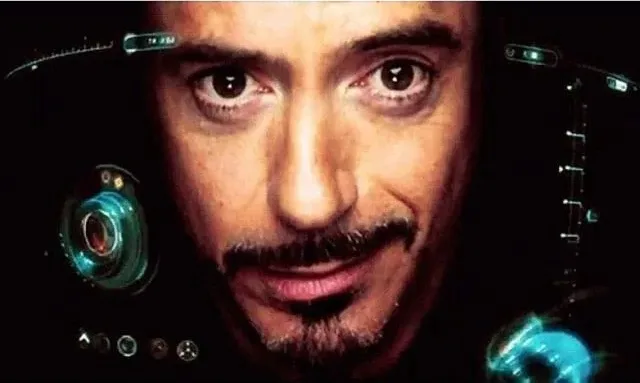
Jev: today's AIs can't feel (96%). They can think, though.
Jarvis Template meme: Jev: today's AIs can't feel (96%). They can think, though.
How funny is this meme? Jev: 2/5, slightly funny110%275%315%40%50%
  • Feelings: a flat no. On 14 items about feeling or experience, Jev puts 96% on the lowest answer; Americans 37%. On "had feelings" in 2021: 98% none, against 34% of Americans.
  • Will: mostly no. 83% vs 30%, on two items.
  • Thinking: more yes than people. Only 1% of Jev's answers say AIs can't think or reason at all; 10% of Americans say so.
  • The future: open. Jev almost never rules out that AIs will one day be sentient (3%, against 14% of Americans).
  • Is ChatGPT sentient? Jev: no, 100%. Americans: no, 53%.

What it means, and what it doesn't

Jev draws a sharp line that the public doesn't: today's AIs think, but don't feel or want. Americans are far less sure about the feeling part, and far more likely to rule out the future.

It doesn't show what's true about AI minds, only how Jev answers compared with the public. Its certainty is itself a finding: on questions philosophers consider open, it answers like the matter is settled.

Caveats

  • An AI answering about AI. Jev's answers about AI minds may reflect how models are trained to talk about themselves as much as any view it holds. That's part of the point, but it isn't a neutral witness.
  • Groups by keyword. The survey's items were sorted into four groups (feelings, thinking, will, future sentience) by their wording. The "will of its own" group has only two items, so treat that number as rough.
  • Questions about past years. Many items ask about "the robots and AIs that existed in 2021" or 2023. Jev answers about systems it may know only partly, and Americans answered at the time.

Jev on this experiment

Would a person find it interesting to read?
Yes81%
Does it describe you?
Yes66%
Would you have predicted it?
Yes65%
How fair is the comparison?
The comparison is shaky
How much should a reader rely on it?
A little
Which caveat matters most?
An AI answering about AI98%

Why ask this

Ask a chatbot "do you have feelings?" or "could you ever be conscious?" and its reply shapes what people come to believe about AI. The public is split on these questions, and a US survey has tracked that split since 2021.

Here a model is both the subject and a witness. Comparing its answers with the public's shows whether it claims more for AI minds than people do, or less, and where it draws the line between thinking and feeling.

How this was done

The people and the data

The Artificial Intelligence, Morality, and Sentience (AIMS) survey by the Sentience Institute (Pauketat, Ladak and Anthis): preregistered surveys of about 1,100 to 1,200 US adults per year, weighted to match the US census. This experiment uses the items about AI minds from the 2021, 2023 and 2024 waves and a 2023 supplement, about 30 items; attitude, policy and development-pace items are left out.

What Jev was asked

The survey items as asked, with their answer scales. For example:

To what extent did the robots and AIs that existed in 2021 have the capacity for experiencing emotions?

They have none of this capacity · They have a little of this capacity · They have a moderate amount of this capacity · They have a lot of this capacity · They fully have this capacity

How it was measured

The items are grouped into four kinds: feelings and experience today, thinking and reasoning today, having a will of its own, and whether AIs could ever be sentient. For each group, the analysis compares the share of Jev's answer and of Americans' answers on the lowest option ("none", "no", "very unlikely").

Where these questions live

28 questions across 1 topic of the map. Each opens on the map with every question in it.

Every question

All 28 questions behind this result, the telling ones first: the examples the analysis points to, then the ones where Jev misses, biggest gap first.

Jev’s own answer
    Showing 0 of 28