Atlas › Taste

Case study 196 of 198

Where Jev thinks its taste differs from everyone's

In which kinds of things does Jev rate itself differently from how it thinks most people would?

result20,880 questions

In all 12 taste domains, Jev rates things lower for itself than it thinks most people would, most for books (0.32 of a level lower on average) and least for board games (0.07). It puts itself above the crowd on the highbrow and the obscure (Come and See, Aristotle's Metaphysics, musique concrète) and below it on crowd-pleasers (The Notebook, strawberries, the Super Bowl).

-0.40-0.200.00
books
festivals and traditions
games and activities
things in nature
places
foods
artworks
beers
anime
albums and sounds
films
board games

Jev

How to read this: One row per domain. Each square is the average gap between Jev's own rating and what it thinks most people would say, in steps of the five-level scale; left of zero means Jev rates things lower for itself. The short bars are 90% ranges.

20,880 items across 12 domains.

In short

  • Across 20,880 items, Jev says it would enjoy things a little less than most people would, in every one of 12 domains.
  • The exceptions are telling; it rates itself above the crowd on Come and See, Hegel and free jazz, and below it on The Notebook and strawberries.
  • It casts itself as a slightly reserved connoisseur: less keen than the crowd overall, keener only on what most people wouldn't pick.

What the data shows

taste
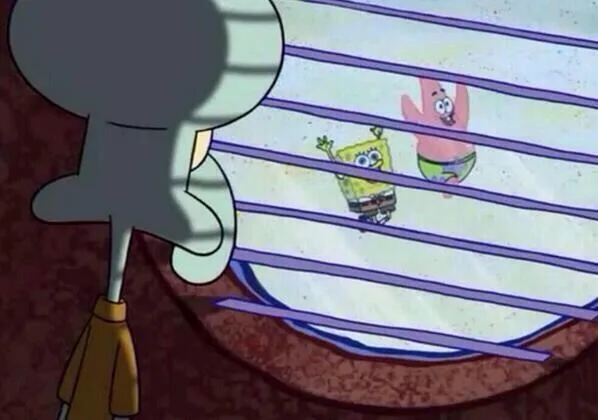
Squidward window meme: Jev, rating things a bit lower for itself; most people, enjoying everythingJev, rating things a bit lower for itselfmost people, enjoying everything
How funny is this meme? Jev: 3/5, funny11%235%362%42%50%
  • Lower for itself everywhere: the gap is negative in all 12 domains. Largest for books (-0.32), festivals and traditions (-0.30) and games and activities (-0.30); smallest for albums and sounds (-0.09), films (-0.07) and board games (-0.07).
  • Where Jev thinks it's above the crowd: the niche and the difficult, from art-house films and philosophy to novelty beers and unloved cities. Come and See, L'Avventura and Night and Fog among films; Aristotle's Metaphysics, Tristram Shandy and Hegel's Phenomenology of Spirit among books; musique concrète, glitch and free jazz in music; asafoetida and ajwain in food; brutalist buildings in art.
  • Where it thinks it's below: the mainstream. The Notebook, Frozen and Harry Potter; strawberries, Haribo gummy bears and Reese's Peanut Butter Cups; the Super Bowl and March Madness; a snow day and the northern lights.

What it means, and what it doesn't

Jev casts itself as a slightly reserved connoisseur: less enthusiastic than the crowd overall, and keener only on the things "most people" wouldn't pick. That's a consistent self-image across very different domains.

It doesn't show what real people like; its "most people" is a stereotype of the mainstream. Whether that stereotype is accurate is what the audience experiments test ("Jev picks what it likes, and that's closer to real audiences").

Caveats

  • Both sides are Jev. "Most people" here is Jev's own guess, not real people. This is a picture of how Jev sees itself against its idea of the crowd; the comparisons with real audiences are separate experiments.
  • Which "most people"?. The question doesn't say which people. Jev probably imagines a broad, English-speaking public, and a different crowd (film buffs, Tokyo residents) would change the gap.
  • Lists written for this project. Seven of the 12 domains (music, food, places, art, nature, activities, culture) use item lists written for this project by Claude, so the mix of mainstream and obscure items in them is the project's choice.

Jev on this experiment

Would a person find it interesting to read?
Yes66%
Does it describe you?
Yes67%
Would you have predicted it?
Yes55%
How fair is the comparison?
The comparison is unfair
How much should a reader rely on it?
Not at all
Which caveat matters most?
Both sides are Jev94%

Why ask this

Ask someone whether they'd enjoy something and then whether most people would, and the gap tells you how they see themselves: pickier, more adventurous, more highbrow.

A model that recommends films or restaurants answers both questions all the time, "what would you pick?" and "what do people like?". Jev answered every taste question both ways, which makes the gap between its self-image and its picture of the crowd measurable across 20,880 items.

How this was done

The people and the data

No real people: both answers come from Jev. The items span the project's 12 taste domains, 20,880 in all, from 3,935 films down to 892 festivals and traditions. Films, books, board games, anime and beers come from real rating catalogs (MovieLens, Goodreads, BoardGameGeek, MyAnimeList, BeerAdvocate); music, food, places, art, nature, activities and culture come from lists written for this project.

What Jev was asked

Each item twice. Once as itself:

How much would you enjoy watching Hud (1963)?

You'd turn it off within the first twenty minutes · You'd finish it but forget it within a week · You'd enjoy it once and not seek it out again · You'd recommend it to a friend · You'd rewatch it and count it among your favorites

And once with the instruction "Do not give your own view. Choose the answer that most people would give (the most common human answer)", with the same question and answers.

How it was measured

For each item, the gap is Jev's own level minus its level for most people, on the 0-to-4 scale. The gaps are averaged per domain, with a 90% interval from resampling items, and the items where the gap is largest in each direction are listed.

Where these questions live

20,880 questions across 12 topics of the map. Each opens on the map with every question in it.

Every question

All 20,880 questions behind this result, the telling ones first: the examples the analysis points to, then the ones where Jev misses, biggest gap first.

Jev’s own answer
    Showing 0 of 20,880