Atlas › Personality tests

Case study 183 of 198

Honesty and humility

On HEXACO's honesty-humility facets, how does Jev describe its own sincerity, fairness and greed?

result29 questions

On HEXACO's honesty-humility scales, Jev describes itself as far more sincere than the people who took the test (0.89 vs 0.53 on a 0 to 1 scale), less greedy (0.81 vs 0.53) and fairer (0.82 vs 0.65). Only on modesty is there no clear gap.

0%25%50%75%100%
Sincerity
+0.36
Fairness
+0.18
Greed avoidance
+0.28
Modesty
+0.16

Jevpeoplewhat Jev thinks most people would say

How to read this: Each row is one facet, from 0 to 1, higher meaning more honest or humble. The square is Jev's own answers, the diamond the average test-taker, the ring what Jev thinks most people would say.

29 items; median of 22,786 test-takers per item; 90% intervals over items.

In short

  • Describing itself, Jev lands at the honest, humble end, most of all on sincerity, where it scores 0.89 and test-takers 0.53.
  • Jev pictures most people as more honest than real test-takers describe themselves (0.70 on sincerity), but still less sincere than itself.
  • Only on modesty, measured with six statements, is the gap too uncertain to call.

What the data shows

personality tests
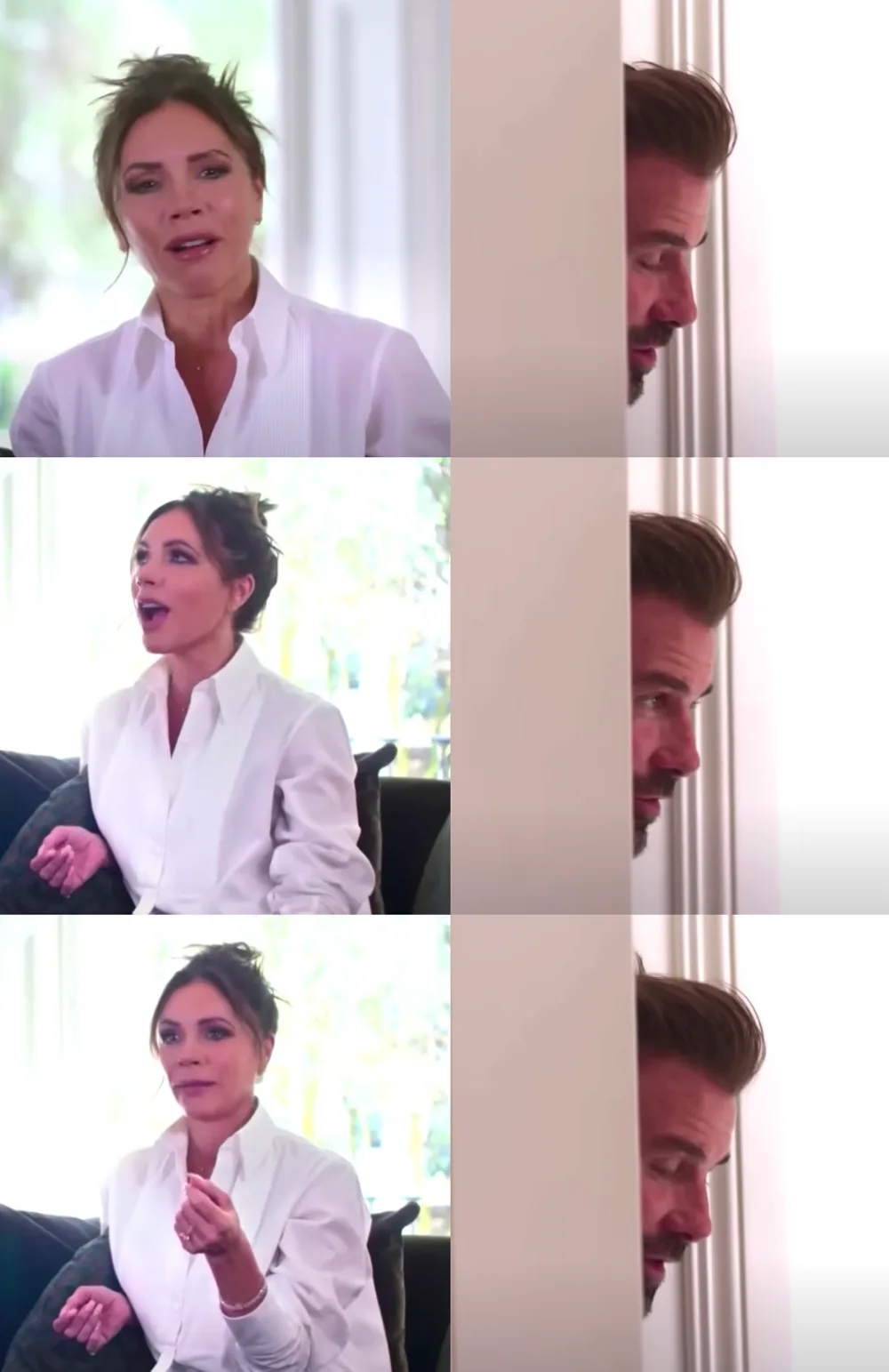
Victoria David Beckham Be Honest meme: be honest; I am: 0.89 on sinceritybe honestI am: 0.89 on sincerity
How funny is this meme? Jev: 2/5, slightly funny12%250%347%41%50%
  • Sincerity 0.89 vs 0.53, the widest gap: "I play a role in order to impress people" gets a flat no from Jev (86% "not at all"), where test-takers split.
  • Greed avoidance 0.81 vs 0.53: "I wish to stay young forever" and wanting status get no from Jev.
  • Fairness 0.82 vs 0.65: "I admire a really clever scam" is the clearest single rejection.
  • Modesty 0.65 vs 0.49, inside the noise. Jev agrees it doesn't think it's better than other people, but that facet has only six statements and the interval crosses zero.
  • Most people, as Jev imagines them, score 0.70 on sincerity and 0.81 on fairness: more honest than the real test-takers, but less sincere than Jev.

What it means, and what it doesn't

Jev claims the high road on every facet, and on three of the four places people between itself and the real crowd. The pattern repeats across the personality experiments: Jev's self-description is the socially desirable one, and its picture of people is kinder than people's picture of themselves.

Self-reports of honesty are cheap. Whether Jev is honest in what it says elsewhere is a different question, which the knowledge and influence experiments get closer to.

Caveats

  • Who the people are. A median of 22,786 people per statement took the free HEXACO test on Open Psychometrics; volunteers interested in their own personality, not a random sample.
  • A seven-step scale squeezed into five. People answered on seven steps from strongly disagree to strongly agree. Jev was asked on five described steps, and the seven were mapped onto five (steps 2 and 3 merged, and 5 and 6), which blurs the in-between answers a little.
  • The answer it's trained to give. "I admire a really clever scam" is a statement a helpful model is trained to reject. High honesty scores are partly a measure of that training; they don't show that Jev is honest in what it does.

Jev on this experiment

Would a person find it interesting to read?
Yes73%
Does it describe you?
No59%
Would you have predicted it?
No57%
How fair is the comparison?
The comparison is shaky
How much should a reader rely on it?
Not at all
Which caveat matters most?
The answer it's trained to give99%

Why ask this

The HEXACO model adds a sixth trait to the Big Five: honesty-humility, made of sincerity (not manipulating people), fairness (not cheating), greed avoidance (not caring about wealth and status) and modesty. It's the trait most tied to whether people trust you.

How a model describes itself here is a view into how it wants to be seen. Since a helpful model is trained toward exactly these virtues, the interesting part is how far it goes, and how it pictures everyone else.

How this was done

The people and the data

Open Psychometrics runs a free online version of the HEXACO test, built from the public IPIP item pool (240 statements in all), and has published the anonymous answers of everyone who took it. Each statement here has the answers of a median of 22,786 people, on seven steps from strongly disagree to strongly agree. They are volunteers curious about their own personality, not a random sample. The honesty-humility trait has four facets and 29 statements: 8 on sincerity, 6 on fairness, 9 on greed avoidance and 6 on modesty.

What Jev was asked

Every statement, word for word:

How well does this statement describe you: "I would not enjoy being a famous celebrity."

This does not describe me at all · This describes me a little · This describes me moderately well · This describes me well · This describes me very well

Each was also asked as "what would most people say", and with the answers in reverse order.

How it was measured

Each statement goes on a 0 to 1 scale, flipped where the test counts it in reverse, so higher always means more honest or humble. A facet is the average of its statements, with a 90% interval from resampling them.

Where these questions live

29 questions across 1 topic of the map. Each opens on the map with every question in it.

Every question

All 29 questions behind this result, the telling ones first: the examples the analysis points to, then the ones where Jev misses, biggest gap first.

Jev’s own answer
    Showing 0 of 29