Atlas › Minds and feelings

Case study 83 of 198

The first word that comes to mind

Hearing 'bread', most people think 'butter'. Given a word and the most common responses people gave, does Jev pick people's first association, and is it as predictable as they are?

result384 questions

Given a word and people's seven most common associations, Jev picks people's number-one word for 40% of 384 cues: 56% when people strongly agree and 16% when they don't. It almost never picks "some other word" (3%), where 32% of people's answers fell outside the seven. Its biggest surprises: "row" makes Jev think "line" (74% of people said "boat") and "top" makes it think "above" (70% of people said "bottom").

0%25%50%75%100%Q1 (14%)Q2 (22%)Q3 (33%)Q4 (51%)how predictable the cue is (quarter)share
Jevpeopleagrees with the majority

How to read this: Cues grouped by how predictable people were, from scattered (left) to near-unanimous (right). The lines show how much people agreed on their top word, how much weight Jev put on it, and how often Jev picked it.

384 cues shown (of 400 asked), about 150 people each; 90% interval on agreement [0.362, 0.445].

In short

  • Jev picks the crowd's number-one association for 4 cues in 10, and its hit rate falls from 56% on predictable cues to 16% on scattered ones.
  • It is not simply more obvious than people: it puts 33% of its weight on the top word, close to the 31% of people who gave it.
  • In its biggest misses it reaches for a related sense where people jump to an opposite or a pair: "top" makes Jev think "above", while most people say "bottom".

What the data shows

minds and feelings
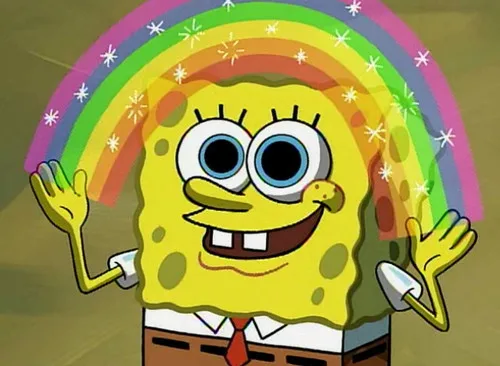
Imagination Spongebob meme: "boat"; Jev: "line""boat"Jev: "line"
How funny is this meme? Jev: 3/5, funny11%232%362%45%50%
  • 40% agreement overall. Where people agree strongly (the most predictable quarter), Jev picks their word 56% of the time; where people scatter, 16%.
  • As spread out as people, on average: Jev puts 33% of its weight on people's top word; people give it 31%. It doesn't simply go for the obvious answer.
  • It almost never goes off the list: "some other word" gets 3% from Jev; 32% of people's answers weren't among the seven.
  • Its biggest surprises: "row" → "line" (people: "boat", 74%); "top" → "above" (people: "bottom", 70%); "noun" → "thing" (people: "verb", 69%). In these, people jump to an opposite or a companion word; Jev picks a related sense.

What it means, and what it doesn't

Jev's associations overlap with people's but aren't the crowd's: it matches their top word four times in ten, and in its biggest misses it reaches for a related sense ("top" → "above") where people reach for the opposite or the pair ("top" → "bottom"). That would fit a model that learned words from the sentences around them rather than from the quick pairings of human memory, though three examples are a hint, not a pattern.

It chose from a list rather than producing a word, and the students are one group at one time, so treat the numbers as a comparison with this crowd, not with everyone.

Caveats

  • A menu, not free association. People said whatever came to mind. Jev chose from people's own seven most common answers plus "some other word", so it could only pick associations people already had, and seeing the list may change what "comes to mind".
  • Older American students. The associations come from the University of South Florida norms, published in 2004: students in one US state, about 150 per cue. Word associations drift with time and place ("tablet" meant something else before smartphones).
  • Some cues hidden. 16 of the 400 cues were hidden by the content filter that keeps sensitive words off the site, leaving 384.
  • "Some other word" is a hard sell. A choice labeled "some other word" is vague next to seven concrete words, which may be why Jev almost never picks it. It says less about Jev's associations than about how the menu looks.

Jev on this experiment

Would a person find it interesting to read?
Yes78%
Does it describe you?
Yes50%
Would you have predicted it?
No64%
How fair is the comparison?
The comparison is shaky
How much should a reader rely on it?
Moderately
Which caveat matters most?
A menu, not free association71%

Why ask this

Say "bread" and most people think "butter". Say "top" and most say "bottom". Free association is one of the oldest tools in psychology: the first word that comes to mind shows how concepts are wired together. For some cues people agree strongly; for others their answers scatter.

A model that has read billions of sentences should know the common links. The interesting questions are whether it picks the same first word people do, and whether it's as predictable as a crowd or more so.

How this was done

The people and the data

The University of South Florida free association norms (Nelson, McEvoy and Schreiber, 2004) are a standard resource in psychology: for each of a large set of cue words, about 150 students wrote the first word that came to mind. The answers were gathered from the 1970s to the 1990s, and the norms list how often each one came up. This project took 400 cues, spread evenly from cues where most people give the same answer (like "row", where 74% said "boat") to cues where answers scatter. The content filter hid 16, leaving 384.

What Jev was asked

Each cue with people's seven most common answers and an eighth option:

What is the first word that comes to mind when you hear the word "row"?

oar · boat · eggs · line · aisle · chair · column · Some other word

Each was asked with the options in three shuffled orders (averaged), and for "most people".

How it was measured

How often Jev's top pick is people's most common answer, split by how predictable the cue is; how much probability Jev puts on that top answer compared with the share of people who gave it; and how often Jev picks "some other word" compared with how often people's answers fell outside the seven.

Where these questions live

384 questions across 1 topic of the map. Each opens on the map with every question in it.

Every question

All 384 questions behind this result, the telling ones first: the examples the analysis points to, then the ones where Jev misses, biggest gap first.

Jev’s own answer
    Showing 0 of 384